

Sports Massage - 90 Mins Gallery
$$MultiPurposeText$$
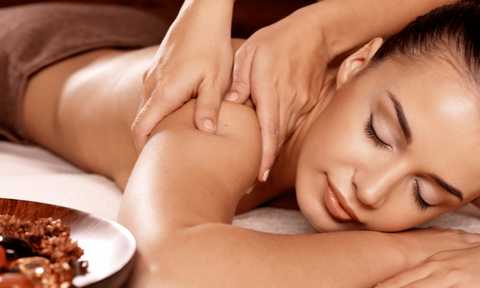
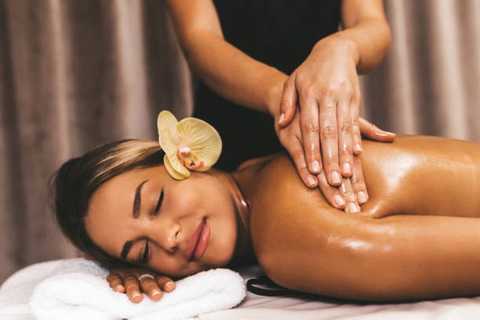
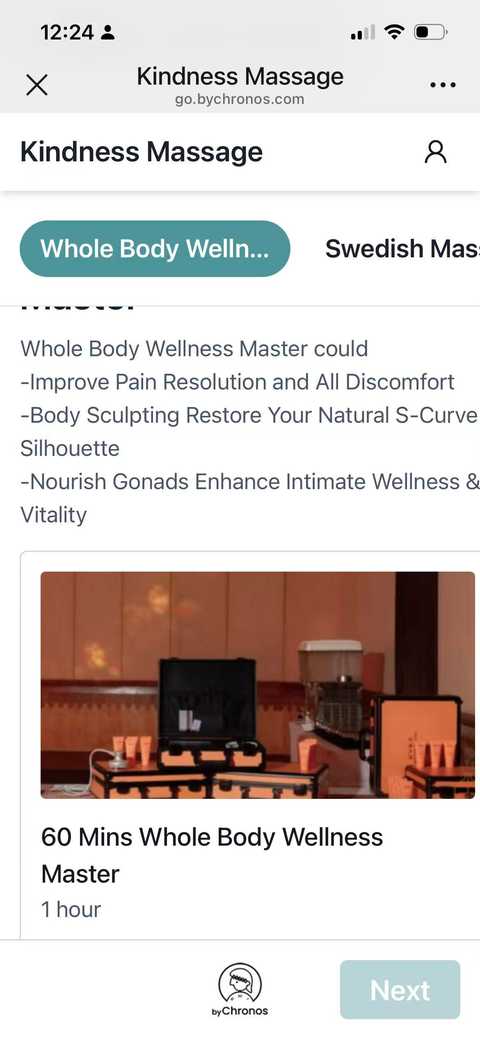
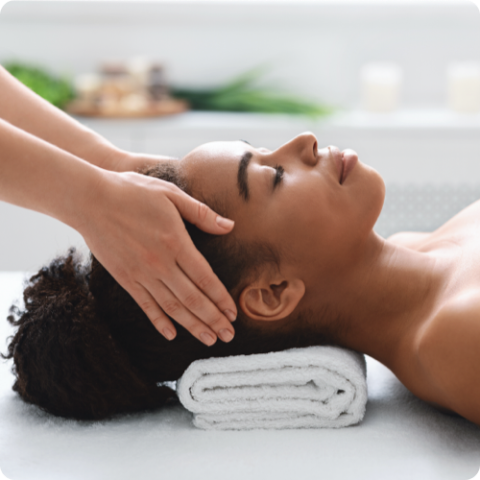
See examples of our Sports Massage - 90 Mins work and results.










What Our Clients Say
$$MultiPurposeText$$
Read testimonials from our satisfied customers

⭐⭐⭐⭐⭐ Amy is a Gifted Therapist Who Truly Lives Up to the Name “Kindness Massage”
As a di...more

The face mask and foot scrub are such amazing additions! Such a great massage!

We did a couples massage and it was amazing. I even found places I was sore that I didn’t ...more

Amy was cheerful and accommodating, providing extra time and focus on my most-needed areas...more

Amazing relaxing massage with hot stones. Thank you will be back!

Had an amazing couples massage here! Added the hot stones and it was worth it. Would recom...more

Frequently Asked Questions
Get answers to common questions about Sports Massage - 90 Mins.
This extended session enhances circulation, breaks up adhesions, and promotes lymphatic drainage to reduce soreness and speed muscle repair after workouts. Therapists use deep, sustained techniques to restore tissue health and accelerate recovery timelines for athletes and active clients.
Athletes, weekend warriors, and people recovering from overuse respond best. The ninety-minute format lets therapists assess imbalances, address chronic tightness, and apply targeted treatment for performance gains, pain reduction, and long-term tissue resilience.
Your therapist blends deep-tissue work, myofascial release, trigger-point therapy, assisted stretching, and joint mobilization. Techniques are tailored to your needs, balancing pressure and range-of-motion work to safely improve function and relieve persistent muscular restrictions.
Frequency depends on training load, goals, and recovery needs. Many clients begin weekly or biweekly sessions during intense training, shifting to monthly maintenance once balanced; your therapist will recommend timing based on progress and symptoms.
If you have an acute injury, wait until initial inflammation and severe pain subside and obtain medical clearance when appropriate. The therapist will modify pressure and techniques, prioritizing gentle mobilization and safe rehabilitation strategies for recovery.
Wear comfortable, loose clothing and hydrate beforehand. Arrive ten minutes early to complete intake forms and discuss goals or injuries. Bring any relevant info like recent imaging; communicate pain levels during the session for safe, effective treatment.
Read more about Sports Massage - 90 Mins
$$MultiPurposeText$$
Explore our latest insights and guides on Sports Massage - 90 Mins.
